





Mountain bikes continue to evolve and add complexities to the process of achieving a good mountain bike fit and setup. In the good old days, genres of mountain bikes were pretty simple and adjustability was limited to a few parameters.
Today, the variables that affect mountain bike performance are seemingly endless. Starting with the genre, then the wheel size, geometry, materials, adjustability, intended purpose, rider expectations, fitness and experience; it all adds up to a clear as mud recipe for optimizing performance.
As a professional bike fitter, MTB instructor and coach, I’ve helped hundreds of riders through the process of dialling in their bike fit and setup. In this post I’d like to share the process I use to help you get the most from your MTB when thinking about fit and setup.
Context is Everything
When helping a client with an MTB fit in my studio or out on trail I like to focus on a few key aspects of the rider even before looking at the bike.
Here are the questions I ask to get a good history:
- Why are you getting a bike fit?
- Where do you mainly ride?
- What’s your favorite trail?
- What does your bike currently do well?
- What do you wish your bike did better?
- How many times a week do you ride?
- What are your main concerns?
- Does any part of your set up cause you pain or discomfort?
- What are your current and future expectations for your riding?
- Do you ride for fun, fitness, the rush, the climbs, to drop or jump?
- Any injuries current or past that haunt you?
Once I have this type of information I can start correlating whether or not the bike of choice is going to meet their expectations or simply miss the mark completely. Most of the bikes I see coming in for fits range from XC hardtails to beefy trail bikes. Very seldom do we see Enduro or DH bikes in for a full fit process, but we do offer lots of advice on these types of setups.
A quick biomechanical assessment and testing range of motion and flexibility in a few plains can be a huge help. Understanding limitations will help you achieve a better fit and setup.
Mountain Bike Fit Instructions: Order Matters
Once I’ve established the riders goals and limitations, we can start to piece together a hands on approach to dialling in the fit. The fit is always done before the bike setup (tires, suspension, and controls) and consists of the following:
- Cleat position (if clipped in)
- Set bike ride height (for flip chip equipped frames)
- Saddle position
- Saddle height
- Saddle tilt
- Saddle Fore-aft
- Then reach is assessed and corrected if need be
- Bar width is set
- This is important and very individual (680-780 range is most common)
- Saddle to bar drop is assessed and changes made (via bar height)
Once a rider is feeling comfortable with all the touch points and we are happy with the fit we can move into the setup of the bike.
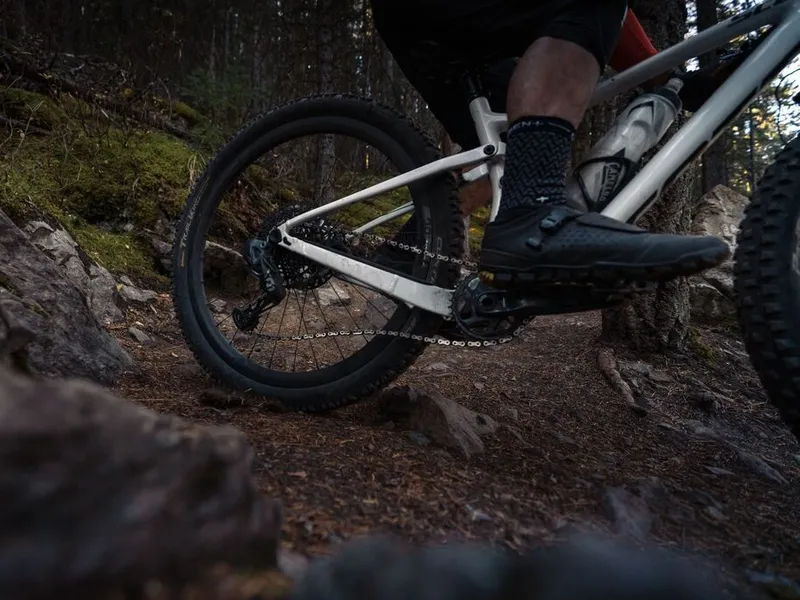
Both bike fit and setup play distinct but connected roles in creating the best riding experience.
Mountain Bike Setup Instructions: Order Matters
The key areas of setup should be done in a methodical order. My approach is as follows:
Mountain bike wheel setup
Assess wheel size, tire width, rubber compound and tire pressure for both your front and rear tires.
27.5 inches: Offers a balance between agility and stability. Suitable for a mix of technical trails and smooth paths
29 inches: Provides better rollover capability, maintaining speed over rough terrain. Preferred for cross-country and trail riding.
Mountain bike tires typically range from 2.1 inches to 2.8 inches in width, with some plus-size tires going up to 3.0 inches. What works for you will heavily depend on the terrain and ride goals you have. Narrower, less knobby tires are ideal for cross-country riding where efficiency and speed are prioritized, whereas a more aggressive tread and wider tire are designed for maximum traction and comfort, suitable for loose, rocky, or muddy conditions.
Rear shock suspension setup
Air pressure, rebound, high and low speed compression (if applicable). Air can tokens/spacers and rebound knob clocking can be discussed for their next suspension servicing.
Air Pressure: Air pressure in the suspension fork and rear shock is primarily adjusted to set the sag, which is the amount the suspension compresses under the rider’s weight.
Rebound: Controls the speed at which the suspension returns to its original position after compression.
Front fork suspension setup
Air pressure, rebound, high and low speed compression (if applicable). Tokens/volume spacers can also be discussed, added or removed.
The front suspension is ideally set after the rear suspension for a few key reasons:
Weight distribution: The rear suspension supports the bulk of the rider’s weight, especially during seated pedaling. Ensuring the rear is properly set up first helps establish a stable base for the bike’s handling.
Bike Geometry: The rear suspension setup influences the bike’s geometry and stance. By adjusting the rear first, you set the bike’s baseline geometry, making it easier to fine-tune the front suspension to complement the overall setup.

Dialling in a modern MTB requires a combination of knowledge and testing to get that perfect mountain bike fit.
Cockpit setup
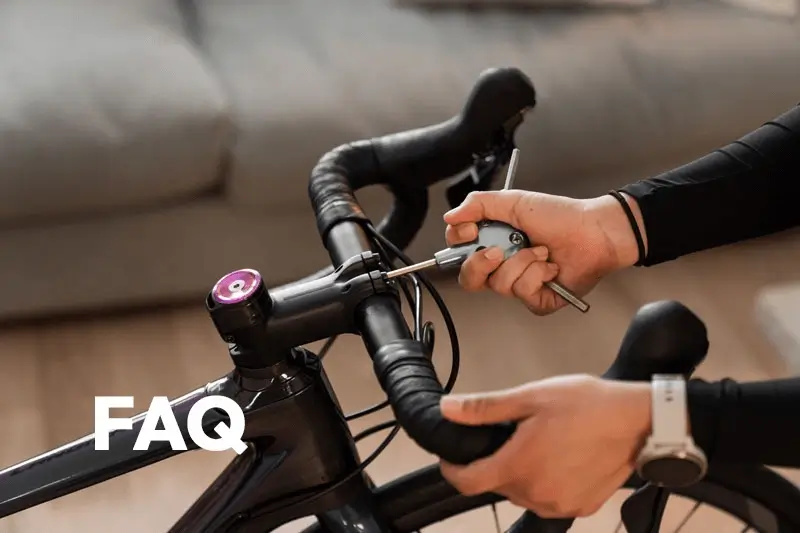
This is critical and often overlooked. Brake lever reach, and placement along with proper placement of dropper post and shift levers can be a huge distortion to a rider or even cause hand and finger pain.
All of the aspects above should be considered a check list of the things a rider can change to make a mountain bike feel different to meet their goals and expectations. Most importantly, once a rider has an awareness that these changes can be made it is then time to explore what outcome these changes can have on the bike’s performance.
The best way to put all this knowledge together is through trial and error. A good bike fitter will often take decades to more fully understand all these relationships. You can start and further your understanding by simply becoming aware that there are so many cause and effect relationships in a bike’s fit and setup.
 Suspension Setup Tips & Tricks
Over the years there are a couple standout setup tips that I’ve found helpful for most riders to be aware of:
Tire PSI
As a general rule of thumb manufacturers guidelines for PSI in suspension forks are a bit too high and rear shocks a bit too low.
Suspension rebound
Set rebound on front and rear suspension a bit faster than normal to compensate for softer tires, soft rubber compounds and big wheel diameters. This quicker rebound setup allows for the bike to feel lighter and livelier going both up and down hill.