


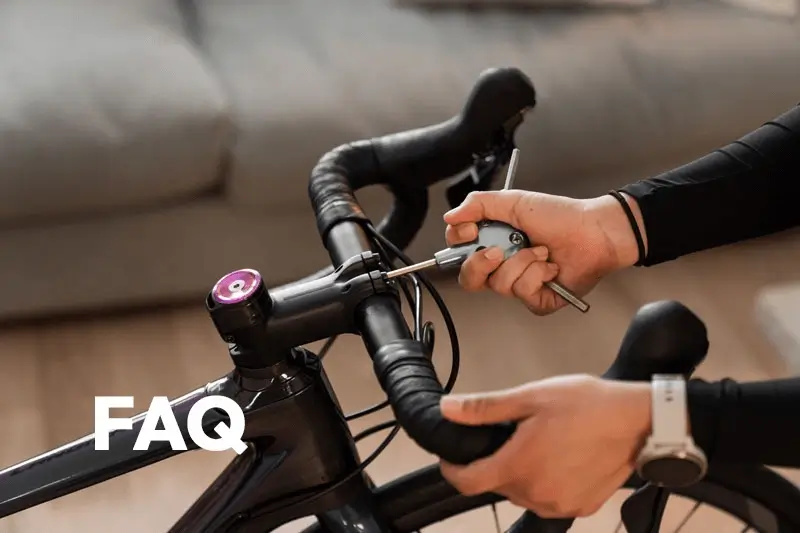


Unlock Speed with a More Aerodynamic Riding Position
Small Changes in Fit Can Lead to Big Gains in Efficiency and Comfort


Faster, Smoother, More Efficient Riding Starts with Fit
A Well-Optimized Position Supports Natural Aerodynamic Gains
1. Less Drag, More Speed
2. Maximized Power Output
3. Sustainable Riding Posture
4. Adaptability for Any Rider
5. Better Handling and Stability
AVOIDING THE MISTAKES THAT CAN HURT SPEED AND COMFORT
A Fast Position is Only Fast
if You Can Hold It
Many cyclists assume that getting lower and more aggressive on the bike is the key to speed. But if your fit isn’t dialed in, that aggressive position can actually make you slower by reducing power output, increasing fatigue, or causing discomfort that forces you to sit up more often.
A position that’s too stretched out can lead to instability and excess upper-body tension. A saddle that’s too high or too low can reduce pedaling efficiency, making it harder to hold an aerodynamic tuck. And if your reach isn’t optimized, you might struggle with numb hands, a sore neck, or limited control on the bike.
Instead of forcing an extreme posture, start with a position that works for your body. A balanced fit allows you to naturally adopt a more aerodynamic stance—one that you can sustain for longer and use to its full advantage.
The Building Blocks of a Faster, More Efficient Position
Saddle
Height
Saddle Fore/Aft
Position
Handlebar
Reach & Drop
Cleat Position &
Foot Alignment
Upper-Body
Posture
Ready for a Fit That Evolves with You—At Home?
If you’re set on an AI-driven, at-home solution that’s just as detailed as an in-person lab session, we’ve got flexible plans to match your goals and budget.
RIDERS EVERYWHERE
Trusted by Thousands of Cyclists Worldwide

Awesome software!
Was suffering from saddle numbness and pain. No more issues after getting a bike fit through MyVeloFit. Will use it again once I get my triathlon bike
~ Lav L.
This is a great option
This is a great option to help dial in a bike fit from home. I’ve made upgrades to both of my bikes based on recommendations I’ve gotten through MyVeloFit.
~ Dan S.
Excellent & Professional
Excellent and professional fitting experience with all the convenience of being at home
~ Shannon F.
Easy to get set up and great support
Really helped improve my performance. Easy to get set up and great support from team.
~ Nick P.
So much more convenient
I am very satisfied with the results, and it was so much more convenient to ride at home and upload videos than having to go to a bike shop for a professional fit.
~ Kate M.
I knew I had to go all in
I was skeptical about an AI-driven bike fit, but after using MyVeloFit has me lower, longer, & more comfortable than I’ve ever been before.
~ Cameron S.
Get the most out of your rides.
As an online retailer of bikes, ensuring our customers get the right bike size and fit can be a challenge. That’s why we partnered with MyVeloFit. Supported by MyVeloFit, our customers benefit from an independent sizing assessment—and a unique fit score across a range of bikes—to get the most out of their rides.
~ Nomad Frontiers (retailers)
Incredible!
Your tracking analysis software is incredible by the way, we’re trying to use dartfish and it jumps around all the time.
~ Nick Harris (Coach)
Astonishing!
What you have developed is astonishing!
~ Pete Pastides. (Browlee Fitness)
Works really, really well
Their [MyVeloFit] stuff is really, really, good and works really, really well”
~ Tim Cusik (BaseCamp)
An Excellent Product!
I have been using myvelofit for just over one year in a large bicycle retail shop and I do about six to eight fittings per week. It is an excellent product that in the hands of an experienced fitter generates very in depth information about riding position and ranges of motion, comparable to other fit systems such as Retul.
~ Marco Penna (Bike Fitter)
~ Ryan Drapper (Bike Fitter)
FAQs
How It Works:
Refining Your Fit for Better Aerodynamics
Step 1
Establish Your
Fit Baseline
- Start by assessing your current comfort, efficiency, and posture on the bike.
- Identify any discomfort or inefficiencies—do you feel too stretched? Too cramped?
- A good fit should feel balanced and sustainable, not forced or uncomfortable.
Step 2
Adjust Your
Saddle Position
- Set your saddle height to optimize leg extension and avoid rocking hips or inefficient pedaling.
- Check your saddle fore-aft position to ensure proper weight distribution—too far forward or backward can affect control and posture.
- Small changes here set the foundation for improved aerodynamics.
Step 3
Optimize Your Handlebar
Reach & Drop
- Once your saddle position is dialed in, adjust your handlebar reach and drop.
- Ensure your back and shoulders are in a relaxed, natural position rather than overly hunched or stretched.
- Avoid extreme handlebar positions—comfort and stability come first before an aggressive aero stance.
Step 4
Fine-Tune Cleat Position
& Pedal Stroke
- Proper cleat alignment ensures efficient power transfer and reduces excess movement that can disrupt aerodynamics.
- A smooth, consistent pedal stroke contributes to a steady upper body, reducing drag.
Step 5
Test & Adjust
Over Time
- Ride in different conditions to evaluate your adjustments.
- If you notice discomfort or instability, make incremental changes rather than drastic shifts.
- Reassess as your fitness, flexibility, and riding goals evolve—a bike fit isn’t static, it grows with you.