




Everything You
Need to Know
About Bike Fitting
Your bike should work with your body, not against it. This guide covers everything about bike fitting — what it is, what it costs, who needs one, and how to make the most of yours.
What Is a Bike Fit?
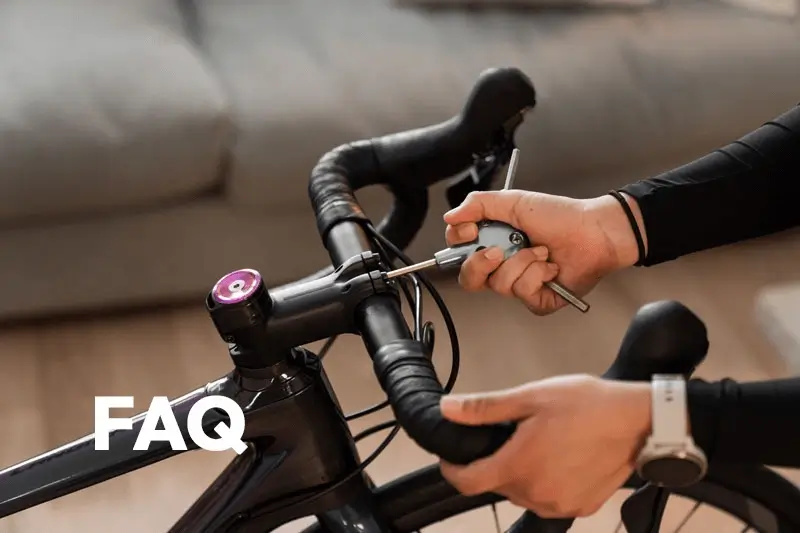
A bike fit is the process of adjusting your bike to match your body, mobility, fitness, and riding goals to ensure the best cycling experience possible.
Traditionally, bike fitting has been very focused on the biomechanics of cycling, ensuring the rider is in a position that allows them to produce power efficiently and avoid injury. In the most basic sense one could think of bike fitting as an ergonomic assessment for your bike — and it's worth understanding the difference between bike sizing and bike fitting before you go any further.
More recently, bike fitting is thought of more holistically, considering all the ways in which the interaction between rider and bike influences the riding experience. This can be focused entirely on creating the most comfortable position possible, helping a rider chase the most aerodynamic position they can sustain, or finding a position that helps a rider feel as confident as possible in how the bike handles. In practice it is balancing all of a rider's goals (some of which may compete with each other) to provide a riding position and set up that allows them to be successful.
"No one's built to hunch over and spin their legs in tiny circles for hours. But that's what we do as cyclists. A proper fit helps your body and your bike understand each other a bit better." — Justin, Co-Founder of MyVeloFit
- Cleat position
- Saddle height
- Saddle fore-aft position
- Saddle tilt
- Handlebar height & reach
- Handlebar rotation
- Hood position & angle
- Crank length
- Shoes & insoles
- Pedals & cleats
- Cranks
- Seat post (for setback)
- Saddle
- Handlebars
- Stem
The Core Goals of a Bike Fit
Every bike fit, regardless of discipline, budget, or experience level aims to achieve the same five outcomes. Getting them right is ultimately about balancing goals in bike fit so no single priority crowds out the others.
Improve Comfort
Comfort isn't about padding — it's about body mechanics. Proper movement patterns and contact point support let you ride longer with less fatigue.
Prevent Injury
Most cycling injuries are repetitive strain. Tens of thousands of pedal revolutions per ride mean small misalignments become big problems over time.
Increase Efficiency
Poor positioning wastes energy through instability, inefficient movement patterns, and over-recruited muscles. A good fit helps you channel power directly into the pedals.
Enhance Performance
Better aerodynamics, sustainable power output, and improved handling all stem from a position dialled in for your specific body and goals.
Promote Safety
An imbalanced position reduces handling precision. A proper fit ensures your centre of gravity is balanced and your movements produce predictable outcomes.
What Gets Adjusted in a Bike Fit?
Bikes are highly adjustable machines, and a fit typically involves two types of changes: adjusting existing components, and replacing parts that aren't suited to your body or goals. These changes are never made in isolation. A good fit understands how each adjustment ripples through your entire kinetic chain, from feet to hands.
- Cleat position
- Saddle height
- Saddle fore-aft position
- Saddle tilt
- Handlebar height
- Handlebar reach
- Handlebar rotation
- Hood position (angle & height)
- Crank length
- Shoes & insoles
- Pedals & cleats
- Cranks
- Seat post (for setback)
- Saddle
- Handlebars (width, reach, drop)
- Stem (length & height)
Not every fit requires component changes. Many riders achieve significant improvements through adjustments alone. A good fitter should always try to work with what you have before recommending new parts, though sometimes replacing parts is unavoidable.
Who Should Get a Bike Fit?
The short answer: anyone who rides. Bike fitting isn't reserved for elite athletes, it's valuable any time a person and a bike are working together. That said, the more you ride, the more you stand to gain. Short rides make discomfort easy to tolerate; long rides turn small issues into barriers to enjoyment.
Get it right from the start.
Inexperience often means it's hard to know what a good position should feel like. A bike fit helps you get into a safe, confident position upon which you can build.
Even fast riders leave gains on the table.
Even if you're not in pain, a fit can improve efficiency, comfort, and handling. Whether or not performance is your goal, feeling good on the bike makes for a better ride and helps avoid injury.
The bike leg shapes everything that follows.
Triathlon requires you to be both fast on the bike and feel strong for the run afterwards. A good Tri position is one that is aerodynamic and sustainable for your event, targeting muscle groups that leave you as fresh as possible for the run.
Your body has changed. Your fit should too.
Flexibility and strength change with age and injury. A fit adapts your position to support your body as it is today, not how it was years ago.
No road movement means more pressure, not less.
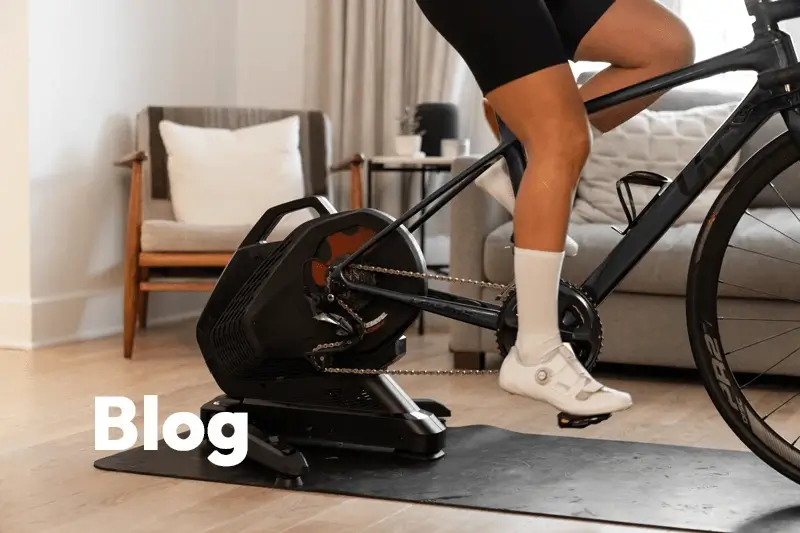
Spin bikes and smart trainers are just as adjustable and just as capable of causing overuse injuries as road bikes, and often put more strain on your body. A good indoor position ensures you can finish your workouts pain free.
The most expensive mistake is buying the wrong bike.
A fit before you buy helps you select the correct frame size and geometry based on your body and position, avoiding expensive post-purchase modifications or regret.
Bike Fit by Discipline
There's no single "correct" bike fit. The right position depends on how and why you ride. Even within the same discipline, priorities can vary widely a road rider training for long fondos has different needs than someone racing criteriums, and the same goes across every category.
Road Cycling
Road riding spans a wide range, from relaxed endurance riding to high-intensity racing. Some riders prioritise comfort for long days in the saddle, while others are more focused on efficiency and speed. Fit decisions often reflect where you sit on that spectrum, as well as how long and how hard you typically ride.
Mountain Bike
Mountain biking covers a broad spectrum, from cross-country riding to enduro, where the demands can vary significantly. Some riders are focused on efficiency and climbing, while others prioritise descending control and confidence on technical terrain. Across all types, fit is less about holding a single position and more about enabling movement and control as the terrain changes.
Time Trial
Time trial positions are typically built around sustained efforts in the aero bars. Riders are balancing aerodynamic efficiency with the ability to maintain power over a fixed duration. Small changes can have a meaningful impact, and positions are often refined around repeatability and consistency in that tucked position.
Triathlon
Triathlon also relies heavily on the aero bars, but the demands extend beyond the bike itself. Riders are not just thinking about aerodynamic efficiency, but how their position affects fatigue and what they can sustain before transitioning to the run. Priorities can vary depending on race distance, experience, and overall strategy.
Urban & Commuter
Urban riding tends to prioritise practicality. Stop-and-go traffic, visibility, and comfort over shorter distances all play a role. Some riders want a relaxed, upright feel, while others prefer something quicker and more efficient. Fit here often reflects how the bike fits into daily life as much as how it performs.
Indoor / Smart Trainer
Indoor riding removes variables like terrain and wind, but introduces its own challenges. With less natural movement and variation, positions can feel more static, and pressure points can become more noticeable over time. Some riders use indoor sessions for structured training, while others are simply looking for comfort and consistency.
Spin Bike
Spin bikes are often used in a more upright, movement-oriented riding style. Classes frequently involve transitions in and out of the saddle, changes in hand position, and a wider range of upper body movement than most outdoor riding. Fit in this context is less about holding a fixed position and more about finding a comfortable, repeatable setup that works across those movements.
"Aero doesn't mean painful. The fastest positions need to be sustainable." — Justin, Co-Founder of MyVeloFit
Pain vs. Performance
Most cyclists come to bike fitting from one of two places: something hurts, or they want to go faster. Often both. Understanding which camp you’re in helps you get the most from a fit.
- Chronic knee, back, neck, or foot pain
- Numbness in hands or saddle area
- Saddle sores or pressure point discomfort
- Constant shifting or instability in the saddle
- Something feels "off" but you can't pinpoint it
- Training for an event or longer distance
- Chasing a PR or race result
- Wanting to ride more, for longer, without fatigue
- Seeking confidence in your position and handling
- Validating that your current setup is optimised
What to Expect from the Fit Process
Every fitter has their own method, but a comprehensive bike fit follows a consistent structure. Here's what a typical session looks like.
Pre-Fit Consultation
Before you get on the bike, a good fitter wants to understand you — your riding goals, injury history, how much you ride, and what's brought you in. The more honest and specific you can be, the better the fit.
Off-Bike Assessment
Your fitter evaluates your posture, flexibility, range of motion, and any leg length discrepancies. This step reveals physical constraints that inform how aggressive or conservative your position can be.
On-Bike Evaluation
You ride while the fitter observes using video analysis or motion capture tools to assess your pedal stroke, posture, and alignment in real time. This is where problems in your current setup become visible.
Fit Adjustments
Changes are made iteratively. The impact of each adjustment is assessed before the next is made. Moving incrementally allows your body to adapt and for you to experience the impact of each change.
Feedback Loop
You ride, feel the changes, and give feedback. The best fitters treat this as a conversation — your subjective experience is just as important as objective measurements. If something feels wrong, it probably is.
Documentation & Follow-Up
You receive a fit report documenting your measurements, adjustments made, and any recommended component changes. A follow-up session allows for fine-tuning once your body has adapted.
What to bring: Wear your normal cycling kit — the shorts, shoes, and socks you actually ride in. Bring your own pedals if you have them, and any insoles or orthotics you use. For a full checklist, see our guide on getting setup for your bike fit. If you have a history of injury, a quick note from your physio can be helpful for the fitter.
Find Out How Your Current Position Stacks Up
Try your first bike fit with MyVeloFit — expert video analysis from home, at a fraction of the cost of an in-person session.
Start Your Free Fit →How Much Does a Bike Fit Cost?
Bike fit pricing varies widely depending on location, the type of fit, and the fitter's experience. Here's a realistic breakdown of what to expect for the fit service itself. Any parts or labour required to make changes to the bike are typically not included.
| Fit Type | Typical Cost | What's Included | Best For |
|---|---|---|---|
| Online (basic sizing tool) | Free | Height/inseam-based estimates | Beginners needing a starting point |
| Online (video-based) — MyVeloFit | $35–$200 | Video analysis, dynamic adjustments, detailed report | Riders who want expert guidance with the flexibility to dial in their fit on their own schedule |
| Basic In-Person Fit | $100–$200 | Static measurements, fitter-made adjustments | Riders who want hands-on help getting set up |
| Comprehensive In-Person Fit | $200–$500 | Video analysis, full assessment, detailed report | Riders dealing with persistent discomfort or complex fit issues |
| Performance / Aero / Wind Tunnel | $500–$2,000+ | Advanced testing, real-time adjustments, specialist equipment | Competitive athletes chasing every marginal gain |
Is a Bike Fit Worth the Cost?
If you ride, you've probably spent a fair bit on your bike and gear. But if it's not set up properly for you, there's no real chance of getting the most out of your equipment and experiencing its full potential.
A bike fit helps make sure your setup is working with your body, not against it. It also gives you more certainty moving forward. Whether you're choosing a new bike, picking components, or trying to fix an issue, you're not just guessing or swapping parts hoping something works. Most riders who have a fit say it's some of the best money they've ever spent on their cycling experience.
Online vs. In-Person: How to Choose
The rise of video-based online fitting has made expert-level bike fitting accessible to anyone, anywhere. But it's not a perfect substitute for in-person work in every situation. Here's how they compare.
| Feature |
Online — MyVeloFit Recommended
|
In-Person Fit |
|---|---|---|
| Accessibility | ✓ Anywhere, anytime | Requires booking & travel |
| Cost | ✓ Typically $20–$200 | Often $200–$500+ |
| Personalisation | ✓ High (video-based) | Very high with experienced fitter |
| Real-Time Adjustments | ~ Guided step-by-step | ✓ Immediate, hands-on |
| Follow-Up Convenience | ✓ Easy to repeat anytime | Requires new appointment |
| Complex Cases | ~ Depends on platform | ✓ Better for complex needs |
| Adaptability Over Time | ✓ Re-assess anytime | Requires returning |
Basic online sizing calculators — those that generate a position from height and inseam alone — can be a useful starting point, but stop well short of a real fit. They can't account for your mobility, injury history, riding style, or how your body actually moves on the bike. A dynamic platform like MyVeloFit, which uses a mobility assessment and kinematic analysis, bridges much of that gap. For riders with complex injury histories or biomechanical challenges, a good in-person fit can be well worth the investment. For most others, a quality online fit is an excellent starting point and platform for continuous experimentation and adaptation.
How to Find a Qualified Bike Fitter
Not all bike fitters are created equal. The industry has no universal licensing body, which means the range of experience and quality can vary significantly. Here's how to find someone you can trust.
Ask the Right Questions
Before booking, ask a fitter about their background, how long they've been fitting, what tools they use (if any), how long a session takes, whether they provide a written report, and what their follow-up policy is. A good fitter will answer these questions readily and without defensiveness.
Seek Referrals
Word of mouth from other cyclists is one of the most reliable ways to find a quality fitter. Local cycling clubs, coaches, and physiotherapists who work with cyclists are all good sources.
Look for Recognised Credentials
Though the industry is not regulated, several training programmes certify bike fitters to their own standard. The most widely recognised is the IBFI (International Bike Fitting Institute). These fitters have completed training in biomechanics and fitting methodology. Depending on their level of certification, they have also completed a minimum designated number of fits and had them reviewed by peers. Fitters with relevant formal training such as physiotherapy can also bring another level of expertise to the process.
Check Reviews
Look for reviews that describe specific outcomes (e.g. pain resolved, position improved) rather than vague praise. A fitter with five detailed, outcome-focused reviews could be more trustworthy than one with fifty generic five-star ratings.
- How long have you been fitting?
- What's your training background?
- What tools do you use?
- How long does a session take?
- Do I get a written report?
- What's your follow-up policy?
- IBFI certification
- Physiotherapy background
- Brand-specific fit training
- Years of active fitting
How Often Should You Update Your Bike Fit?
A bike fit isn't a one-time event — it's an ongoing journey. Think of it as an ongoing conversation between you and your bike: one that should evolve as your body, goals, and riding habits change.
- Full reassessment every 1–2 years
- Seasonal check-ins for more engaged riders
- Earlier if any of the triggers (right) apply
- You switch bikes or key components (saddle, handlebars, cranks)
- You increase training load or ride longer distances
- New discomfort or signs of overuse appear
- Your goals shift — training for a race, switching disciplines, taking on bikepacking
- You've recovered from injury or experienced changes in flexibility, strength, or weight
-
For most cyclists, yes — especially those who ride regularly. A bike fit addresses the root causes of discomfort and inefficiency rather than just managing symptoms. It tends to pay for itself through avoided physio costs, smarter equipment purchases, and improved enjoyment of riding. The more you ride, the greater the return.
-
A comprehensive in-person bike fit typically takes 2–3 hours. Basic in-person fits can be done in 60–90 minutes. Online video-based fits vary by platform but generally take 45–90 minutes at your own pace, with some spreading the process across multiple shorter sessions.
-
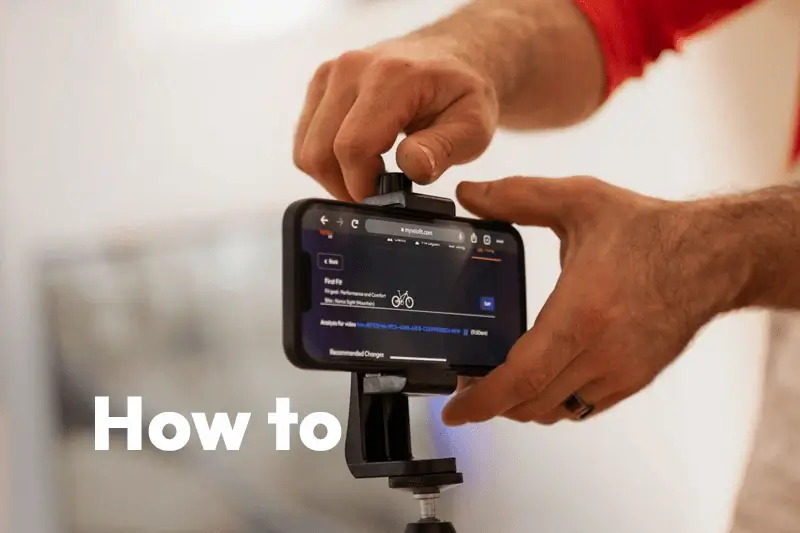
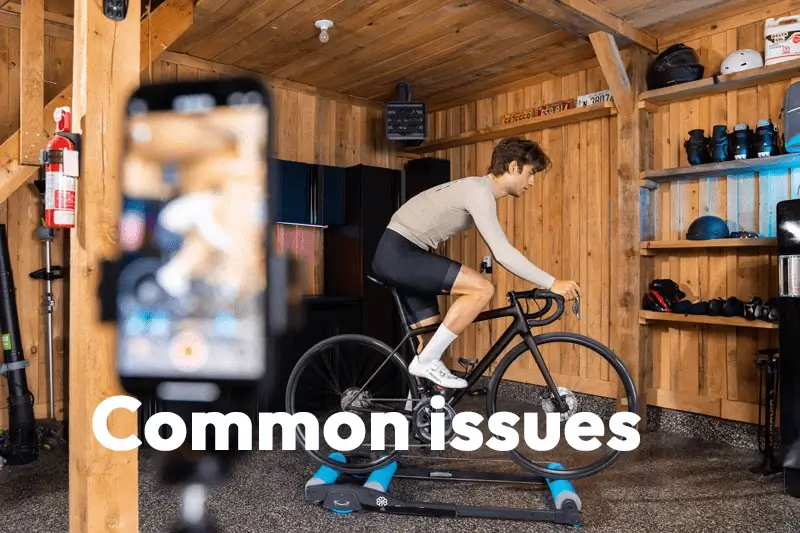
Yes. Online fitting platforms like MyVeloFit use video analysis and guided assessments to deliver a proper fit from your home. You'll need a way to film yourself riding on a trainer — a phone propped up on a table works fine. The process is genuinely comprehensive when the platform uses dynamic video analysis rather than just static measurements.
-
Wear your normal cycling kit: the shorts, shoes, and socks you actually ride in. The fit is calibrated to how you ride in practice. Bring any insoles or orthotics you use, and your own pedals if you have preferences there.
-
For most regular cyclists, a full reassessment every one to two years makes sense. In practice, you should also revisit your fit whenever you change key equipment, significantly increase your training load, develop new discomfort, or return from injury.
-
Not necessarily. Many riders achieve significant improvements through adjustments to their existing setup alone. When component changes are recommended, they're usually targeted rather than a wholesale overhaul.
-
A good bike shop will size you appropriately when you buy, but sizing and fitting are different things. Sizing gets you the right frame size. Fitting dials in the position for your specific body, mobility, and goals — a much more personalised process that changes over time as you develop as a rider.
-
For most riders, a quality video-based online fit delivers comparable results at a much lower cost and with more convenience. The gap narrows significantly when the platform uses dynamic video analysis. Where in-person fitting has a clear advantage is in complex cases: significant injury histories, custom orthotics, or situations requiring hands-on component changes.
-
Yes. Indoor cycling removes the natural body movement that comes with riding on the road, which can actually increase certain types of repetitive strain. Saddle discomfort in particular tends to be more pronounced indoors. A fit on your smart trainer or spin bike is just as valuable as one on a road bike.
Find Out How Your
Current Position Stacks Up
Try your first bike fit with MyVeloFit — expert video analysis from home, at a fraction of the cost of an in-person session.
Start Your Free Fit → myvelofit.com