
July 23, 2025

2025 Science & Cycling Conference Recap: Lille, France

This year marked our second time attending the Science & Cycling conference. This time in Lille, France. For those who don’t know, this conference takes place annually in the host city of the Tour De France. It’s a fantastic opportunity to take in some of the leading research in the field and network with the top academics, thought leaders, and hands-on players in the cycling industry. A few presentations really stood out to both me and many other attendees, and I’d like to take a short moment to highlight them. Please note, many of these presentations were either the initial presentation of academic research papers or were quite research based so a brief paragraph or two obviously won’t do them justice. Conference Highlights Our team attended several compelling presentations that stood out for their practical relevance and innovative research. Below […]
June 16, 2025

Why the UCI’s New Handlebar Width Rule Misses the Mark

The Union Cycliste Internationale (UCI) recently announced new regulations around handlebar width that we believe are not only poorly conceived, but may also carry unintended and harmful consequences—particularly for women and smaller riders. We strongly disagree with the new regulations and have started a petition to the UCI for them to alter the new rules to make them more inclusive to all riders. Please take a moment to sign the petition and share it amongst your fellow riders.  What’s Changing? The UCI’s updated rule mandates: A minimum outside-to-outside handlebar width of 40cm, and A minimum inside-to-inside distance of 32cm at the narrowest point of the brake levers. While the 40cm outside width rule is less problematic—especially if measured with bar tape (a detail not yet clarified)—the 32cm lever width requirement poses serious biomechanical and inclusion-related concerns. Our Data Tells a […]
February 20, 2025

Saddle Fore-Aft Positioning 101: A Step-by-Step Guide

Welcome to our comprehensive guide to mastering your bike’s saddle fore-aft positioning, a critical but often overlooked and misunderstood aspect of bike fitting, and more specifically your saddle position. The right saddle position is more than just a comfort factor; it’s a crucial element that bridges your body’s biomechanics with your bike’s ergonomics. This guide delves into the nuances of adjusting saddle fore-aft positioning – a process that balances biomechanics with your personal riding style and preferences. By fine-tuning this aspect of your fit, you can unlock a new level of comfort, efficiency, and even performance. Perfecting saddle fore-aft positioning goes beyond generic measurements; it’s about understanding and adapting your bike to your unique anatomy and riding dynamics. Whether you’re seeking every ounce of performance or just a more enjoyable journey, this guide should help you get on the right […]
December 18, 2024

5 Steps to Fit your Wahoo Kickr Bike

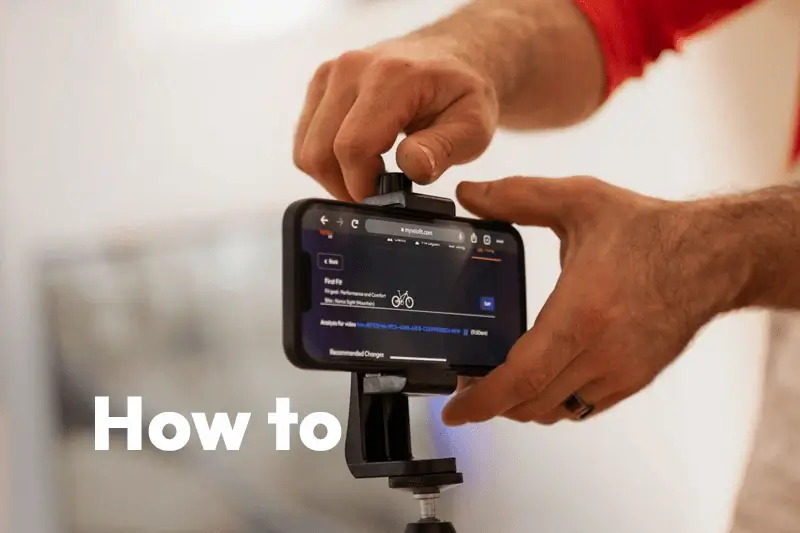
How to Fit your Kickr Bike Congratulations on your new Wahoo Kickr Bike purchase! If you’re wondering about the first thing to do, after assembling it of course, it’s time to set up your fit on the bike. MyVelofit is the perfect option for an accurate, quick, and convenient bike fit. MyVeloFit uses motion analysis and cutting edge A.I. to analyze your dynamic position on the bike and make recommendations to guide you to your ideal cycling position. In just a handful of steps, we’ll have you training comfortably in no time. Let’s walk through how to do a bike fit on your new Kickr bike with MyVeloFit! Step 1: Determine your Current “Fit” Measurements Your “fit measurements” refers to a handful of measurements on your bike (for example, saddle height) that determine your riding position. If you already know […]
October 23, 2024

Bike Fit Mythbusting: How Crank Length Affects Your Bike Fit and Some Common Myths.

We recently posted a reel on instagram about how different crank lengths affected the fit of one rider. While the post was popular, many comments revealed some misunderstandings about the fundamentals of crank length and its pros and cons, especially when going shorter. In this post, we’ll break down the science behind crank length, how changing it may improve your position, and address some common myths. We’ll first discuss why you might consider shorter cranks, the impact of crank changes on fit, and then dive into the science of how crank length affects power output. Finally, we’ll tackle some common misconceptions. Crank Length & Bike Fit: When shortening cranks, there are three main goals: Open up the knee angle (knee flexion) Open up the hip angle (hip flexion) Improve movement quality and efficiency The majority of these changes occur at […]
August 8, 2024

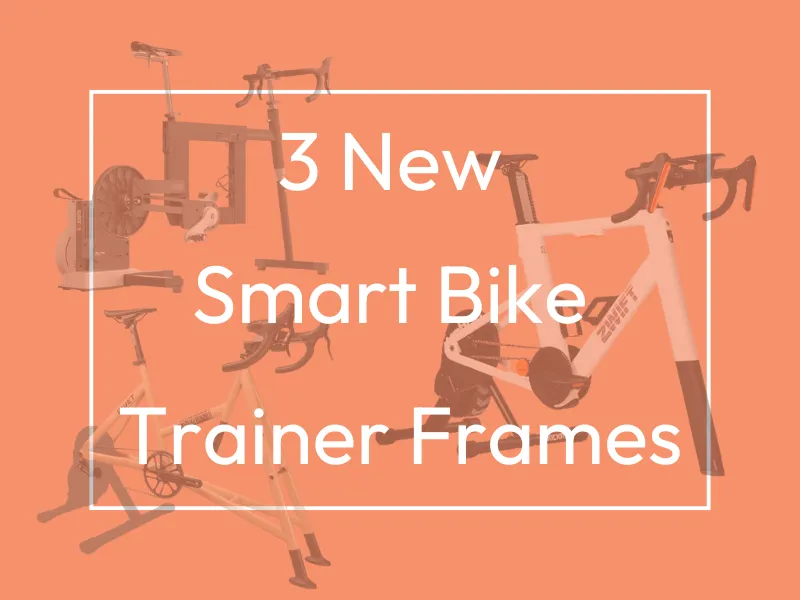
3 New Smart Bike Frame Trainers

Recently, there has been a flood of the most popular bicycle trainer brands releasing their very own “smart bike trainers”, in the past more commonly referred to as stationary bikes. Stationary bikes have been around for quite some time, and some trainer brands (anybody remember CycleOps?) have even released these quite some time ago without the trend catching on. We’ve seen a handful of new releases recently that are catching a lot of attention that we wanted to dive into. There seems to be a new category afoot in the indoor cycling training space with “smart trainer frames” (is that what we are calling them?). Brands are offering smart trainer frames designed to connect to an existing smart trainer and allow all the benefits of a smart trainer bike but at a lower cost and with more versatility. We are […]
June 26, 2024

A Bike Fitter’s Take on Trek’s New “Road Race” Geometry

As a bike fitter I’m often very critical of bike geometry – specifically fit geometry – and especially geometries with labels like “Endurance” or “Race.” While it is true, fit geometry has a major impact on how “racey” the resulting fit will be, so too does the rider’s proportions and final bike setup. I’ve seen very conservative positions on a race bike and very racy positions on an endurance bike. This is mostly due to rider proportions, however bike setup can also influence this significantly. Notwithstanding the above, Trek has recently launched a new updated version of their Madone and with it the American brand has made some major geometry changes. Given that the Madone is one of the most popular bikes on the market today, I thought it was worthwhile to give my take on the new geometry and […]
February 29, 2024

Everything You Need to Know About Q-Factor

Q-Factor, or the horizontal distance between the outside of one crank arm to the outside of the opposite crank arm, is a critical yet often overlooked aspect of bike fit. This measurement directly influences your stance width on the bike, essentially determining how far apart your feet are (aka stance width) when pedalling. This post will go over everything you need to know about Q-Factor and how it affects your riding experience.   Why is Q-Factor important? It’s all about alignment. A correct Q-Factor helps align your hips, knees, and ankles, reducing the risk of injury and increasing pedalling efficiency. If the Q-factor is too wide or too narrow for your body’s natural stance (and mobility), you can experience strain in your joints (often your knees), resulting in discomfort and which can lead to long-term issues. The importance of Q-Factor […]
October 31, 2023

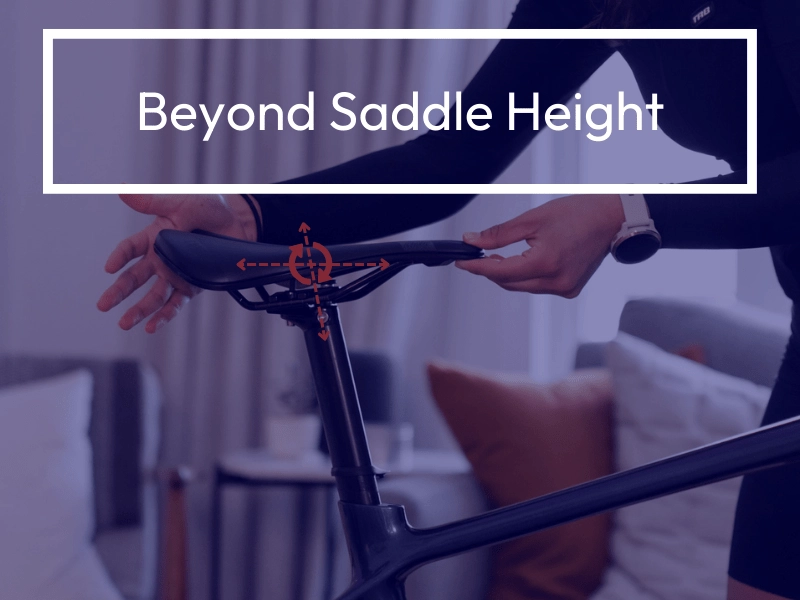
Beyond Saddle Height: The Crucial Roles Of Fore-aft, Tilt, And Equipment Choice In Your Saddle Position

Your bike’s saddle height is often touted as the most important part of your bike fit, and rightfully so. How you “sit” on the bike is largely considered to be the foundation of your overall position and plays a critical role in a comfortable, efficient and injury free riding experience. What is often overlooked is that height is really only part of the equation, what matters more is your saddle’s overall position.  What is the saddle position you ask? Well, it’s the combination of the three adjustments available for your saddle: Saddle height Saddle fore-aft (aka setback) Saddle tilt To complicate matters further, the specific components and equipment you use also play a role in determining all of the above. To help dig down into the relationships between these adjustments and the gear you use, this post will cover:  How […]