







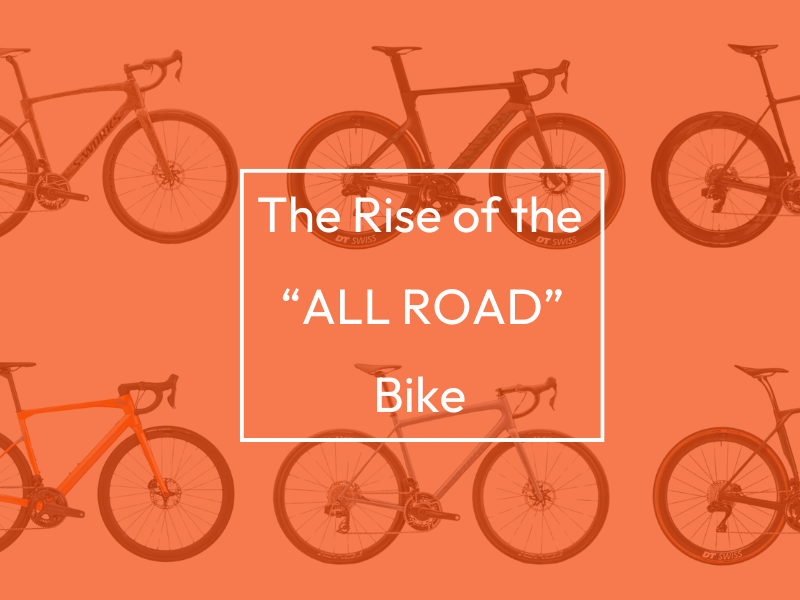
Twenty years ago, in 2004, a new road bike category was born with the launch of the Specialized Roubaix, the “Endurance” road bike. However, for nearly all those years the Endurance bike category has never felt as though it fully found its place in the bike market. Despite models like the Specialized Roubaix, Trek Domane, and Giant Defy often holding the honour as the top selling models in each company’s respective road line up, these bikes never quite felt like they had hit their stride.
While the more relaxed geometry was the primary selling point for a huge number of riders (and rightfully so), the feature set never quite seemed to make a compelling distinction between their more race oriented brethren. They were road bikes, but for “endurance”…
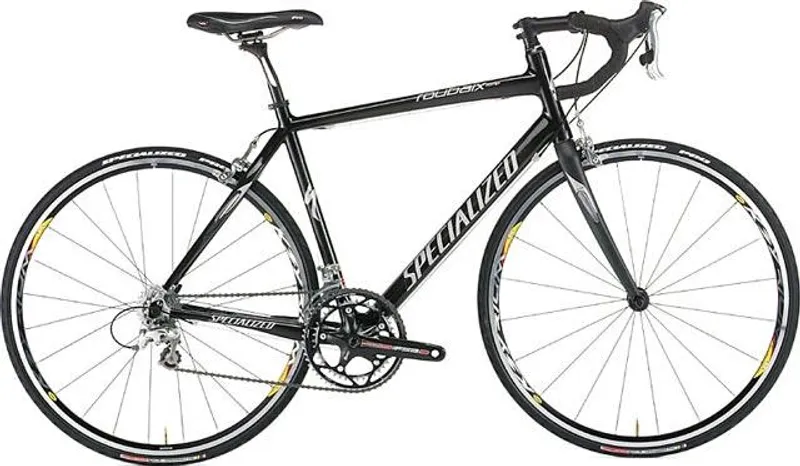
2004 Specialized Roubaix, the OG endurance bike that started it all.
Well, this year might finally be the moment they come into their own. Alongside a nearly industry wide branding shift to “All-Road”, these bikes are really starting to feel like they’ve carved out their niche between the aero focus of the road, and the capability driven gravel offerings. Let’s dive into the trend and why it’s gaining so much traction.
Why Now?
It may seem as though there’s no reason this change couldn’t have come earlier, but I believe that the development and increasing maturity of both the road and gravel segments are what have opened the space for the all road category to finally feel justified. These things combined with the rising desire of newer riders looking to attempt mixed terrain while only purchasing 1 bike has made the timing perfect.
On the road side, while geometry hasn’t changed all that much in a long time, there seems to be a (possibly temporary) homeostasis happening around tire capacity. While tire capacity may not seem all that important to some, it’s very much a key determining factor for a bike’s versatility. For many years, as we learned that wider tires are not only more comfortable but also faster, every launch of a new race bike would sharply eat into the Endurance category’s previous monopoly on tire capacity.
10 years ago it wouldn’t be uncommon to look at the difference between one brand’s race bike and Endurance bike and the difference in tire size be only 3-5mm (23/25c and 28c respectively). Today, we find World Tour riders settling around 28-30c tires for all but the toughest parcours, with their all out race machines often accommodating up to a 35c tire. Territory that would have been the domain of CX bikes, let alone Endurance bikes.
On the other hand, the rise of gravel has been astronomical and the variety and evolution of bikes is ever increasing. However, even 5 years ago, where the road category ended and the gravel category began could be a bit blurry. We had road bikes capable of taking a 32c tire and some gravel bikes with not that much more clearance. The gravel scene was resistant to stray too far from its road roots, so many top racers were running 35-38c tires.
Moving forward to today, a huge swath of the leading group at this year’s Unbound were running +2” mountain bike tires and even suspension. It’s no longer just the adventure oriented graveliers that blurs the lines between gravel bike and MTB, but the pointy end of the biggest races are running increasingly capable setups.
As the gravel segment pushes further towards MTB, with tire sizes >45mm and geometries prioritizing stability at speed through the rough terrain, and the road segment finally stabilizing around 30c tires, a gap presents itself in-between to deliver bikes that can do a little of everything (for real), thus “All Road”.
What is an “All Road” bike?
Needless to say we’re not here to define the category, but based on my recent trip to the Sea Otter Classic and observing the countless new “All Road” releases among the established players, I would say there are a few common themes:
Endurance Geometry
For lack of a better descriptor, the new flock of All Road bikes maintain the Endurance geometry that was the defining feature of their predecessors. Broadly speaking, this is a shorter reach and taller stack height than their race oriented brethren. Targeted at a broader range of riders that can’t or don’t want to maintain the super aggressive positions typical of many road bikes.
Alongside the fit geometry, also comes a more middle of the road set of handling geometries that seek to split the line between road and gravel. Here is where we see some bikes leaning further towards the lively handling of a traditional road bike, while others lean towards the stability of gravel.
Larger Tire Clearance
Almost across the board these All Road bikes are delivering tire clearance of 38-40c. While this would have been firmly the domain of gravel bikes (or even cyclocross bikes) in the not so distant past, these tire sizes are appearing to be a great do everything option. They roll fast on the road, but with enough volume to even tackle some single track if the mood strikes.
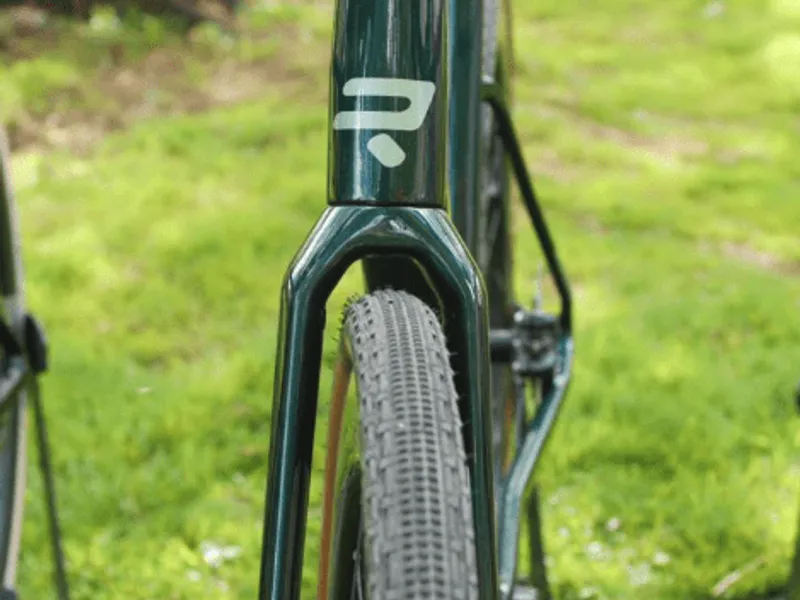
Large tire clearance for maximum versatility of tire choices.
Comfort Features
Drawing on a long tradition of comfort features from the Endurance space. Many of these All Road bikes include a set of features that take the edge off the more varied terrain they’re designed to tackle. At the most basic end being frame design with a little extra compliance, to more complex solutions like the IsoSpeed decoupler on the Trek Domane, or suspension stems as seen on the BMC Roadmachine X.
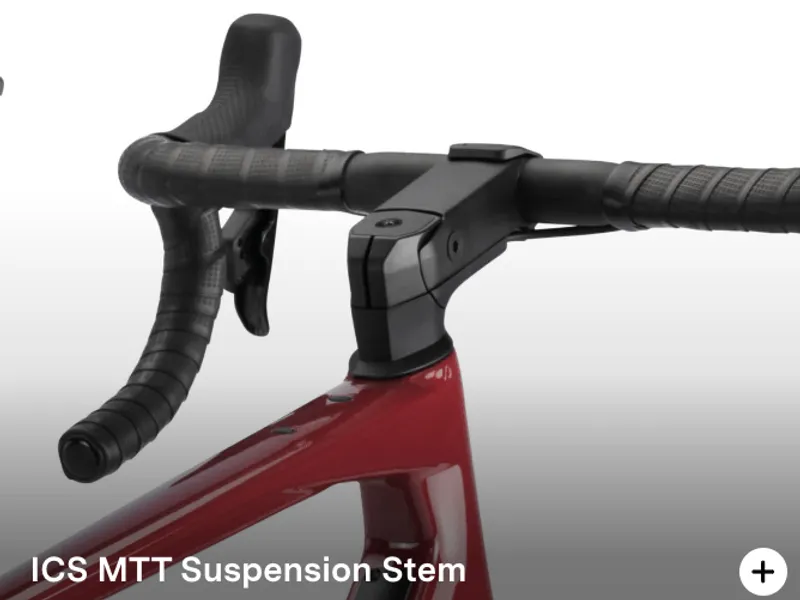
BMC’s “suspension” stem made in collaboration with Redshift.
Race Trickle Down
With marketing spin in full force surrounding every watt to be purchased with your next bike, there is undoubtedly some trickle down tech on this newest crop of bikes from their racier counterparts. Though none of the All Road bikes are claiming to be the “best” at anything, the integration of aero cues and other features are clear.
 Is an All Road Bike right for you?
Only you can answer that question, but they’re presenting a more compelling story than ever before. While I will certainly steer clear of any “quiver killer” claims, they are arguably the most versatile option for many riders. Especially if you are a new rider, and are still learning what you are most drawn to. But if your joy comes from trying to drop your riding compatriots on the Tuesday night chain gang, or on the other end tackling trails that no gravel bike should reasonably be on, these bikes probably aren’t for you.
The reality is that a dedicated bike for each discipline is always going to be the best option. But if you’re like a lot of riders, and you want to enjoy a lively group ride one night, then tackle some gravel roads the next, All Road bikes look to have finally arrived in a place where you can do both with as little compromise as possible.
Additional Resources
- Brand Comparison: Top 5 Endurance Road Bikes
- Understanding ‘Real Person’ Bike Geometry: A Data-Driven Analysis
- Best Ways to Adjust Reach on your Bike