





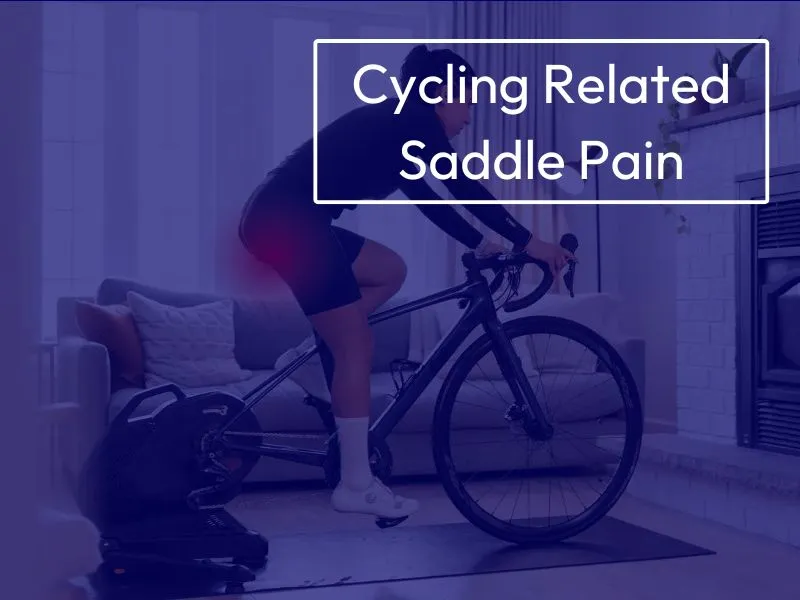
Saddle pain and discomfort are the number one complaint among cyclists when it comes to their overall comfort on the bike. There are all sorts of shapes and sizes of saddles out there and it is easy to fall into the trap of trying saddle after saddle hunting for the right one, however the most common issue associated with saddle discomfort is cyclists in the incorrect position for their riding goals and personal mobility. This leads to an improper interaction between the rider’s body and the saddle. In order to get comfortable on your bicycle saddle, whether it is a road bike, triathlon bike, hybrid bike, or mountain bike, consider the following three key culprits that contribute to saddle pain.
Excess grip reach
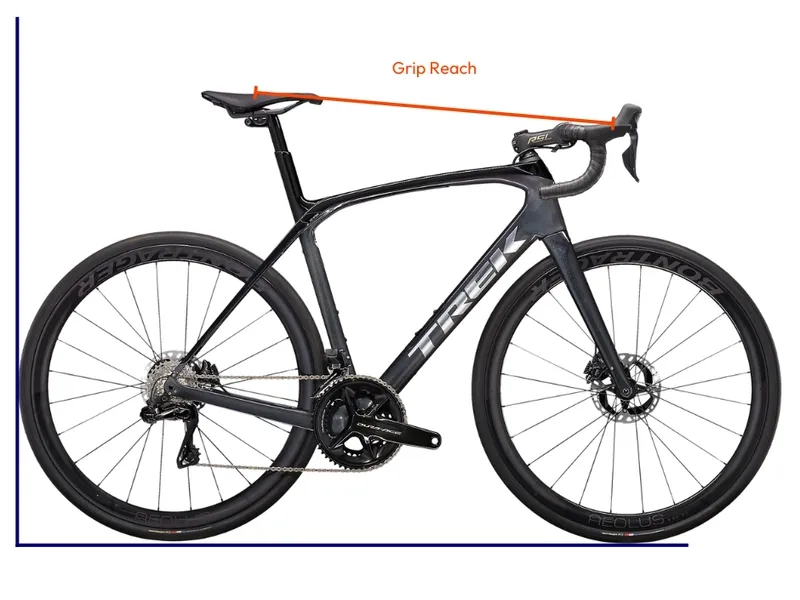
Grip reach measurement
Reach is the horizontal distance from your saddle to the hoods of your handlebar. Too much or too little reach can not only lead to an uncomfortable ride and impact handling, but contribute to a number of issues including pain in the low and mid back, shoulders, neck, hands, and wrists. Excess reach, as it relates to saddle pain, can force the rider’s pelvis to rotate forward resulting in increased soft tissue pressure.
Excess grip drop
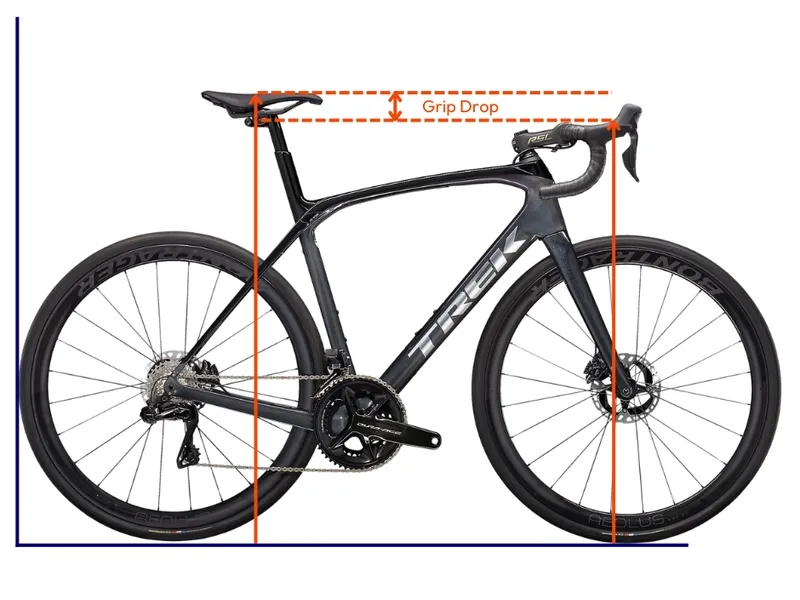
Grip drop measurement
Saddle to handlebar drop is the vertical distance from the top of your saddle to where your hands are placed on the hoods. Much like reach, too much or too little drop can drastically change your posture and positioning. Excess drop, similar to excess reach, often results in soft tissue pressure near the front of the saddle.
Excess saddle height
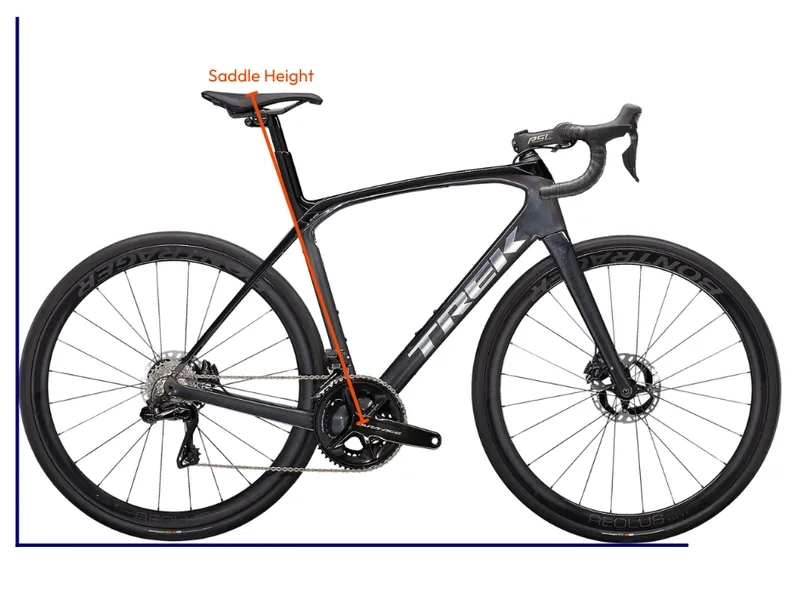
Saddle height measurement
Saddle height is the vertical distance from the center of the bottom bracket to the top of the saddle. Your saddle position is the foundation of your fit, so getting it right is the first major step in dialing in your riding position. Excess saddle height is likely the number one contributor to saddle related pain, and can lead to saddle sore, chaffing, numbness, and any other number of saddle related issues.
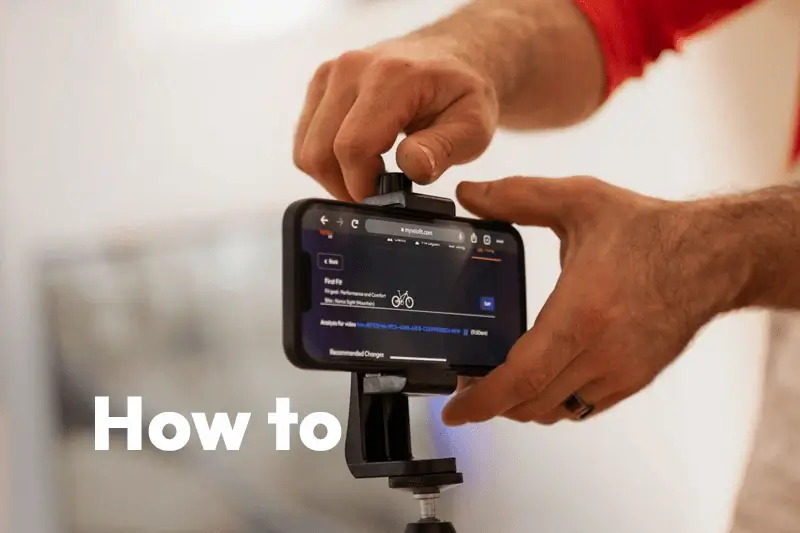
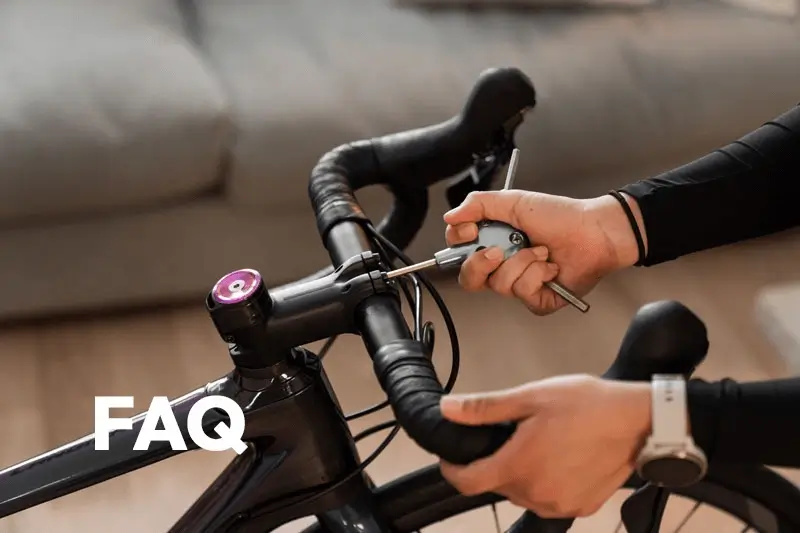
If you’re at a loss about how to address these issues, a great starting point is to reduce handlebar drop, reduce handlebar reach, and lower your saddle. All these adjustments should be small and progressive. Using an online bike fit tool like MyVeloFit can help you measure and monitor the impact to your riding position while making these changes. It will also provide you some context about what may be the primary culprit for your pain.
If after all these adjustments you still aren’t comfortable on your saddle, only then should you consider trying different saddle options. When trying saddles it is important to re-check your position after each saddle change as each one can drastically alter how you interact with your bike.